
Therapy in your 20s and 30s
You've done everything right, and it still doesn't feel right. The career, the relationship, the routine: all the things people said would add up to a life that feels settled. From the outside it looks like it's going to plan. Privately, you're watching it happen rather than living it.
That gap between how your life looks and how it feels is common in your twenties and thirties, and it isn't a flaw; it's usually a sign that something's stuck and wants attention. Therapy in your 20s and 30s can offer you the space to work out what that something actually is, rather than pushing through it again. We won't rush past the hard parts or dress them up; we'll work out what's keeping you feeling stuck, and what moving forward looks like for you.
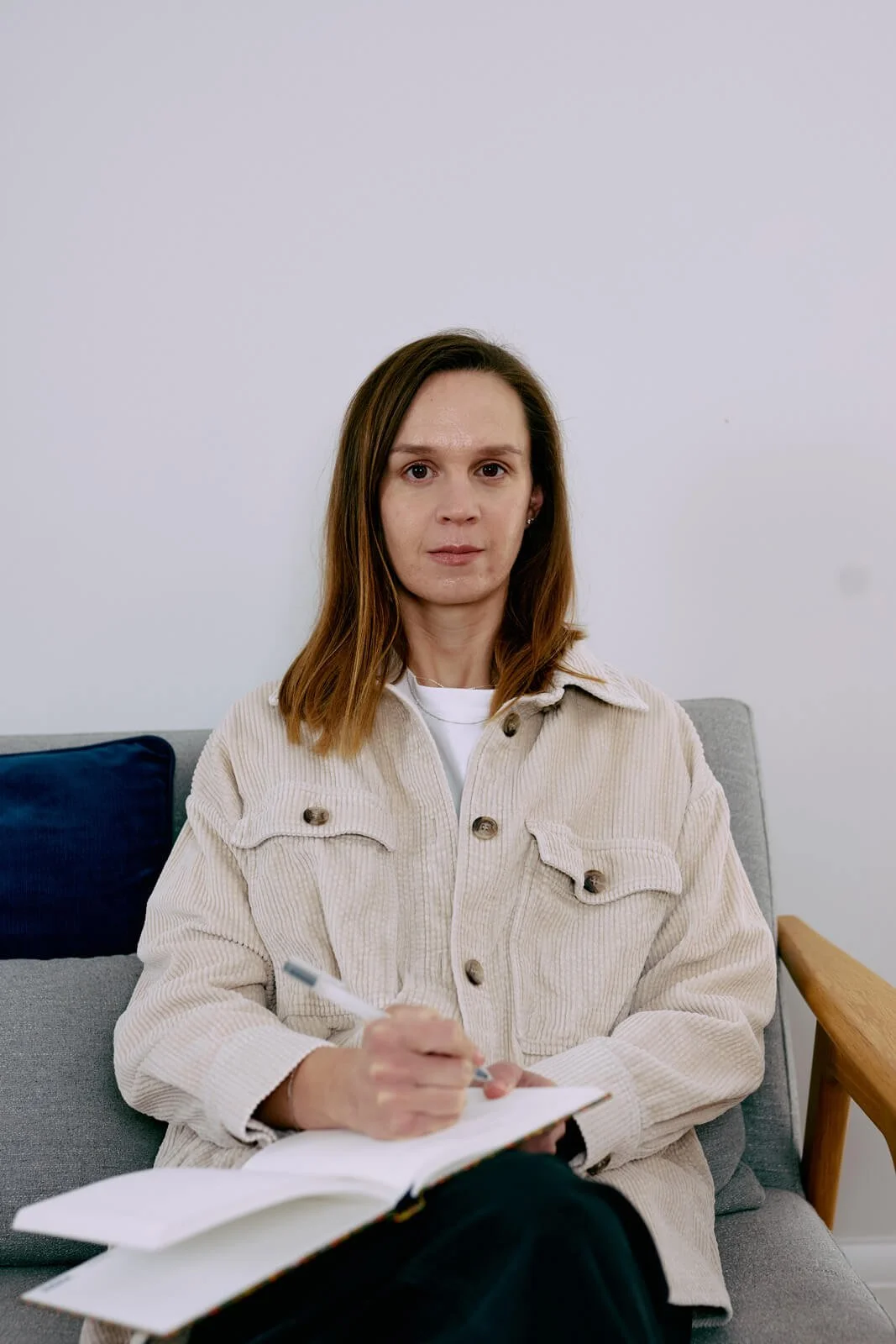
When life looks right but doesn't feel right
On paper, you're doing well: the job title, the relationship, the flat or house, the holidays other people comment on. Underneath it, you might feel successful but quietly drowning under the pressure to keep everyone else happy, unsure where the line sits between what you actually want and what you've just always done.
Small decisions start to follow the same patterns. You dread the choice before you've made it, then replay it for days after. Even the things that should feel like wins: the promotion, the trip, the milestone, they all land flat rather than making you feel proud. There's a fear that getting the next one wrong could unravel everything you've built, and underneath that, a fear that you might simply not be enough.
How it shows up on a Sunday evening, and in the week around it
It often isn't dramatic. It's the dread that arrives on a Sunday evening for no obvious reason. It's coasting through work you used to care about, or standing at a friend's wedding doing the maths on your own life instead of celebrating theirs. It's agreeing to plans you don't want and resenting them quietly, rather than saying no.
On a first call, people often describe it plainly: "I don't feel confident in me." "I worry too much." "I wish I was more in touch with my feelings." "I feel burned out from decisions and worry." Some say they feel behind, or stuck in comparison with everyone else's version of this season of life. The kind of feelings that just wear you down slowly.
What's often sitting underneath it
Often there's something specific underneath the general unease, even when nothing looks like an obvious crisis. A long-term relationship that ended. A career change that shook more of your identity than you expected. Leaving behind an old version of yourself to keep other people comfortable. Working out where your boundaries sit with family now that you're meant to be independent. A friendship group you assumed was permanent, that isn't there in the same way any more along with the secondary losses that come with it: the plans that don't happen now, the version of yourself that no longer fits alongside it.
None of that needs a label to be worth paying attention to. But if it helps: these are losses, even when nothing has technically ended. This is the kind of quiet grief that's easy to miss because nothing about your life looks like a loss from the outside. The loss is real, and it's allowed to be worth grieving, even when everyone else thinks you should just be glad things are going well.
What you might be hoping for
Most people don't come wanting a complete overhaul. They want their energy back. Boundaries that actually hold. The ability to make a decision without spiralling about it for a week either side. A bit of quiet pride in what they've built, instead of the constant feeling of being behind or stuck. Mostly, they want to feel like themselves again, rather than someone looking in on a life where they’re just going through the motions.
Why therapy in your 20s and 30s looks different
Using the phrase can't see the wood for the trees in my practice is deeply intentional. I used those exact words myself, years ago, to explain to my own therapist how overwhelmed I felt by everything happening in my life. When you're stuck, endless Google searches, asking AI, or looping the same conversation with friends and family can only take you so far and it often just adds to the noise.
Therapy in your 20s and 30s needs room to flex. Some people want short-term support to get through a specific crossroads. Others want longer-term work to understand patterns that go back further than the current decision. Either way, we work at your pace, moving from immediate relief toward deeper, more lasting change.
What you don't need is a diagnosis, a polished account of your week, or to have it all worked out before you arrive. You need a space to separate your worth from your performance, and a steady professional in your corner while you find your feet again.

What sessions involve
Most clients start with weekly sessions, and I also offer limited fortnightly slots if that feels a better fit. Sessions run for 50 minutes, Online or Walk & Talk.
The first session is usually shaped by what feels most pressing: either whatever's most urgent right now, or a longer, context-building look at how you got here. There's no wrong way to begin.
Two ways of working
-

Online Therapy
sessions from wherever you are, no travel, no waiting room. Useful if you're fitting this around work, or living elsewhere in the UK outside Rushcliffe.
-
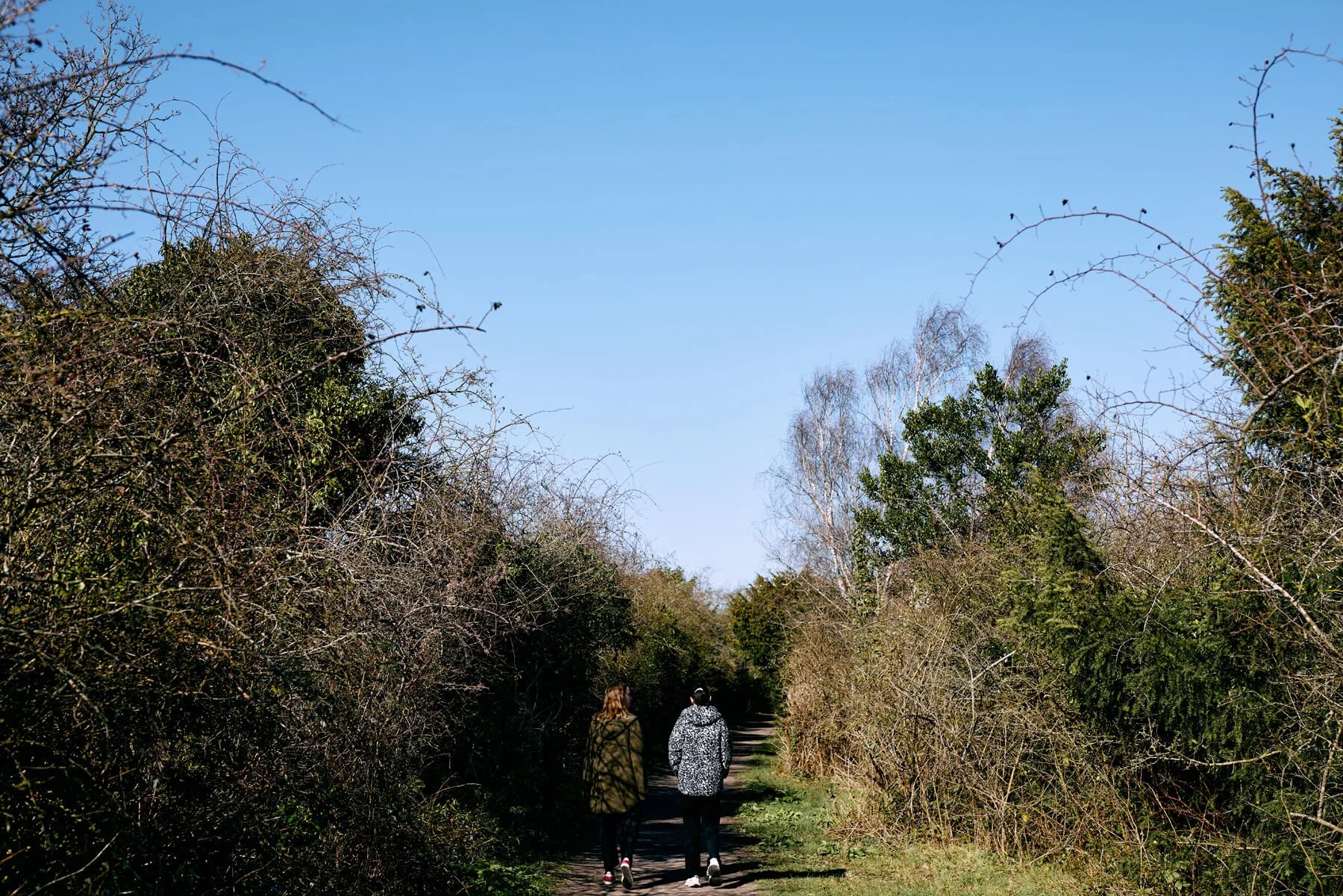
Walk & Talk Therapy
sessions out in the open in Rushcliffe, South Nottinghamshire, for anyone who thinks better moving than sitting still. Availability for this is more limited than online.
Is this you?
You might recognise yourself here if you look like you've got it together and don't feel like it from the inside: caught in decision loops, quietly carrying something that didn't go as planned, or worn down by the gap between what you want and what you've just always done. This page speaks to high achievers, people questioning a relationship or a friendship, and anyone whose decision-making has started to feel like its own full-time job.
Fees & Availability
Sessions are £70 per 50 minutes. There's currently one weekly slot and one fortnightly slot available, though this can shift as other clients finish their work so it's worth getting in touch to begin the conversation.
Common questions
-
That's the most common starting point, not an unusual one. You don't need a diagnosis or a tidy explanation before you begin. We start with whatever's true for you right now and build from there.
-
It varies. Some people come for a few sessions to work through a specific crossroads; others stay longer to understand patterns underneath it. We review this together as we go, rather than fixing it in advance.
The next step
Getting in touch doesn't commit you to anything. A free intro call is a chance to describe what's going on and ask whatever you need to, before deciding whether this is the right fit.